






Home / Sunday-mid-day / / Article /
‘Majha nau Liang ahe’
Updated On: 11 September, 2022 09:37 AM IST | Mumbai | Mitali Parekh
The Chinese in Mumbai are Indian Chinese, not Chinese Chinese. Lunch is chapati bhaaji, not soup. The city’s last few members of the Jewish and Chinese communities talk assimilation and contradiction

Listen to this article :
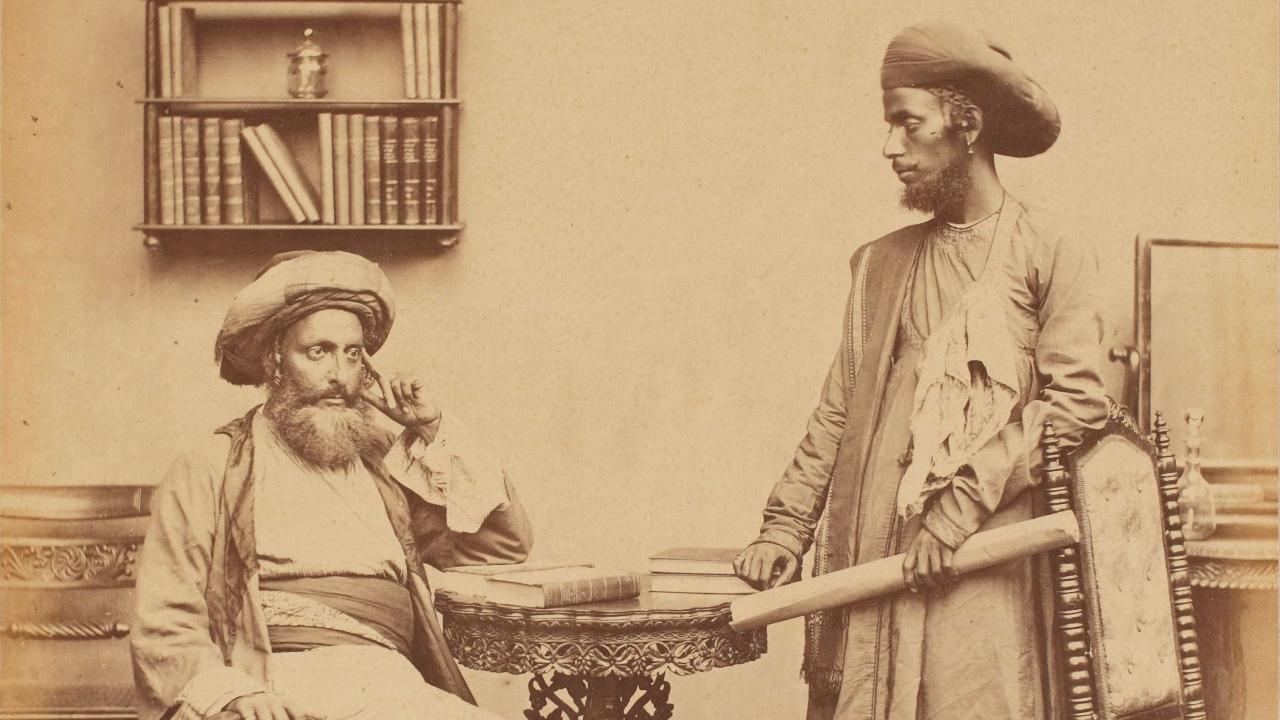
In Bombay, the Bene Israelis and Sephardic Jews joined forces, and the latter served as teachers in many schools in the city. Bene Israel teachers of the Free Church of Scotland’s Mission School and the Jewish English School in Bombay, late 19th century, William Johnson and William Henderson. Pic/ Sarmaya Arts Foundation
My Marathi is better than my Chinese,” says Dr Liang-Shun Ma at his clinic in Vashi, Navi Mumbai. “In fact, when I go to any government office, I write my name down in Marathi on a piece of paper and give it to the officials. It’s easier to pronounce this way.” Dr Ma’s family has been in India for three generations.
Unlike most communities migrating to then Bombay, the Chinese came by land from Calcutta. They had been migrating to West Bengal since the late 1700s for trade in tea, sugar and other essentials. The East India Company was trying to get a foothold in markets to the east of India, and eagerly helped Chinese businessmen such as Tong Atchew procure land in return for tea and expertise to run plantations in the Northeast. Atchew is said to have started the first sugar mill in India, bringing 1,100 workers with him. According to urban legend, this gave sugar its Hindi word: Chini.
Trending Stories
Latest Photos
Latest Videos
Latest Web Stories
ADVERTISEMENT
Mid-Day Fast
ADVERTISEMENT

ADVERTISEMENT