Home / Sunday-mid-day / Article /
Mapping freedom
Updated On: 14 August, 2022 09:08 AM IST | Mumbai | Ela Das
Rediscover the iconic landmarks in the city (and beyond) that served as backdrop to the struggle for India’s independence





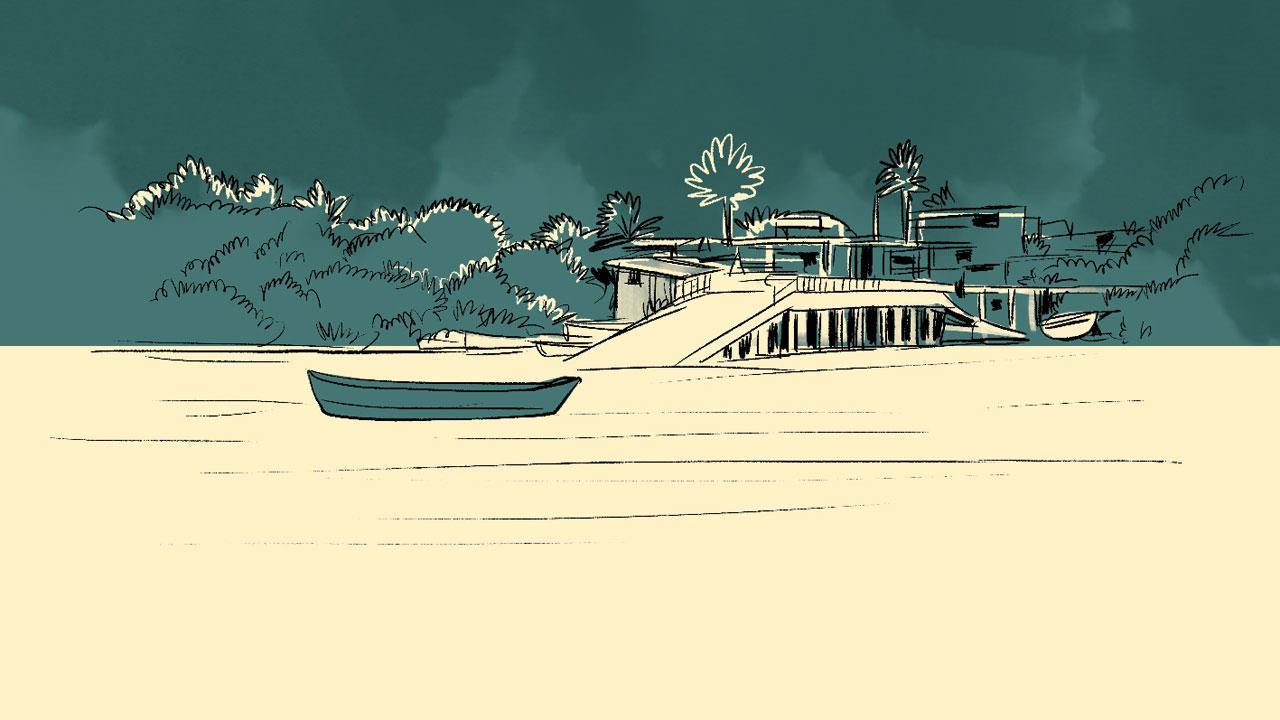
Illustration/Uday Mohite
Ramwadi Ram Mandir
Kalbadevi
The Chapekar brothers—Damodar Hari Chapekar and Vasudeo Hari Chapekar—were Indian revolutionaries who assassinated British official WC Rand and his military escort Lieutenant Ayerst in Pune on June 22, 1897. This was the first case of militant nationalism in India after the Indian Rebellion of 1857. Atrocities such as European soldiers polluting sacred places and breaking idols while searching houses in Pune during the plague had led to rising public outcry and frustration. After the assassination, the brothers returned to Bombay and sought refuge inside Ramwadi Ram Mandir, regularly participating in kirtans thereafter. They were eventually caught, and hung after a friend tipped-off the police.
Congress House
Grant Road
Within a block of buildings near Nana Chowk lies the remnants of what used to be Congress House. Standing largely as a residential site today, the compounds here were where citizens would gather to record their grievances against the British rule. Several protests were launched from here including a series of salt marches. The Congress Restaurant & Bar can still be found here today, which the British attacked several times. Further down on Laburnum Road is Mani Bhavan—Gandhi’s Mumbai residence and headquarters from 1917 to 1934.
Trending Stories
Latest Photos
Latest Videos
Latest Web Stories
ADVERTISEMENT
Mid-Day Fast
ADVERTISEMENT