Home / Sunday-mid-day / Article /
She confronts history
Updated On: 27 March, 2022 07:07 AM IST | Mumbai | Nidhi Lodaya
The present is determined by our memory of the past. A Chicago-based Indian artist is questioning the collective narrative around historical events including the partition of India





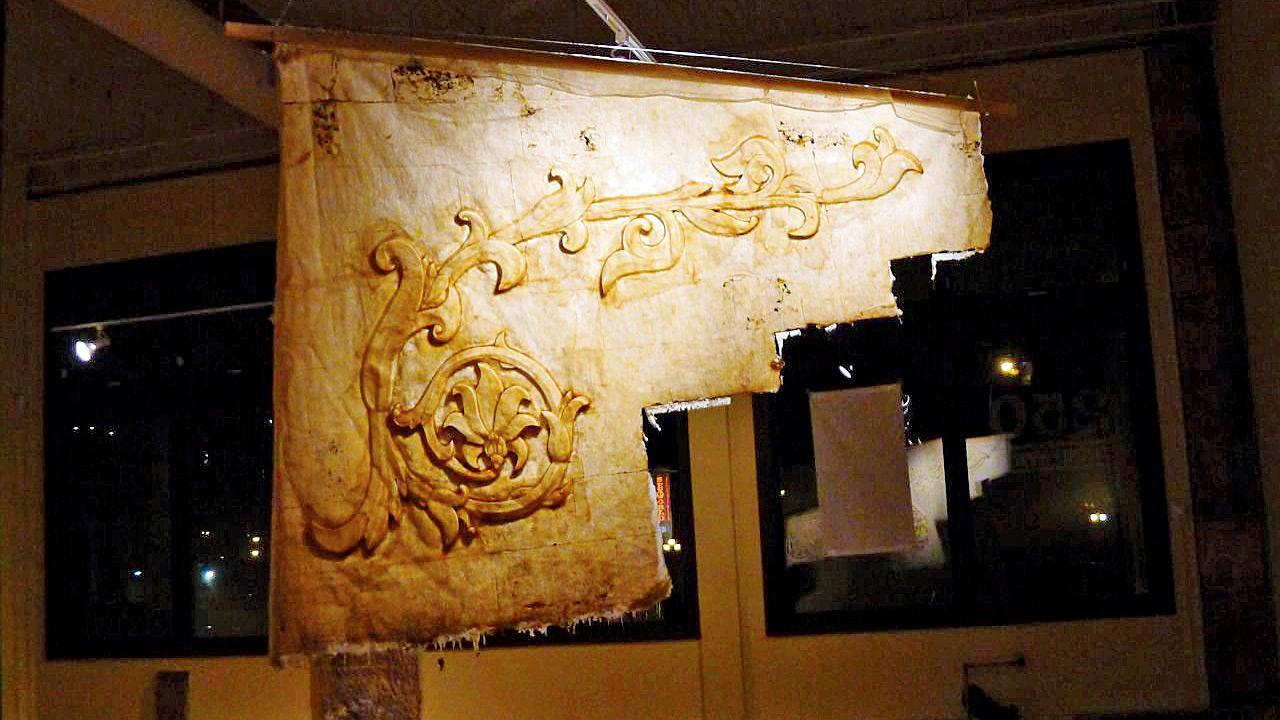
Among the primary sites for Pritika Chowdhry’s project were Jallianwala Bagh memorial and Minar-e-Pakistan
As a socio-political, feminist artist, who has witnessed the generational effects of India’s partition, Pritika Chowdhry has devoted her art practice to examine traumatic geopolitical events. In 2007, on the 60th anniversary of the division of British India, Chowdhry started the Partition Memorial Art Project. It uses art to tell the story of how a border was hurriedly drawn on religious lines, and comprises anti-memorials, which are sculptural installations that intentionally question public monuments dealing with colonial massacres, declarations of independence and the suppression of independence. The ongoing site-specific, research-based art project interrogates the role of public monuments in the formation of collective memory, urging people to look at the many truths that make up a historical event. “The anti-memorials, which are quietly provocative and temporary, incorporate visceral materials, and create experiential environments where viewers can be vulnerable with unbearable and difficult memories,” says Chowdhry, who chooses, for instance, to explore sexual violence against women in war, something that the original memorials do not represent.

Trending Stories
Latest Photos
Latest Videos
Latest Web Stories
ADVERTISEMENT
Mid-Day Fast
ADVERTISEMENT