






Home / Sunday-mid-day / / Article /
Stick of pleasure and power
Updated On: 13 June, 2021 09:13 AM IST | Mumbai | Jane Borges
Art historian-curator Alka Pande’s new book explores the many ideas, beliefs and myths around the phallus, and why it continues to be the centre of civilisation

Listen to this article :
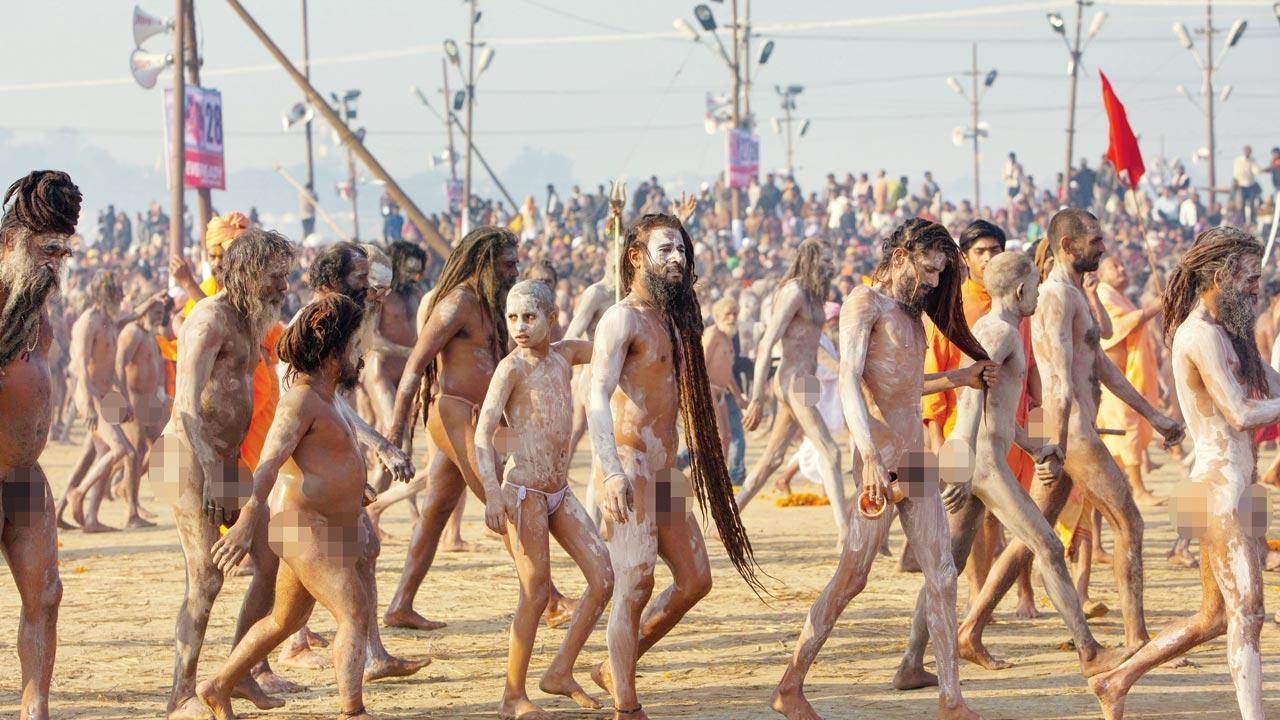
Through yoga it is believed that the procreative seed travels from the lowest chakra to the highest chakra in the human spine and transforms sexual energy into mental energy. Pic/Getty Images
Revered and reviled in equal measure, the phallus occupies a unique place in the socio-cultural history of the world. Delhi-based art historian-curator Alka Pande has been most amazed by how the male organ continues to inspire art, influence religion, and illuminate myth and erotica.
The result is a new book, Pha(bu)llus: A Cultural History (HarperCollins India), which is a one-of-its-kind exploration of ideas and beliefs around the phallus. Three years in the making, the visually-heavy work also brings together the extensive research done by Belgian scholars and urologists Johan Mattelaer and Philip Van Kerrebroeck, and psychoanalyst-clinical psychologist Amrita Narayanan.
Read Next Story
Trending Stories
Latest Photos
Latest Videos
Latest Web Stories
ADVERTISEMENT
Mid-Day Fast
ADVERTISEMENT

ADVERTISEMENT