Home / Sunday-mid-day / Article /
The inheritance of trauma
Updated On: 15 May, 2022 09:38 AM IST | Mumbai | Jane Borges
Partition scholar and oral historian Aanchal Malhotra’s new book records the inherited memories of families, who’ve loved and lost their homelands, and how they continue to carry these stories with them





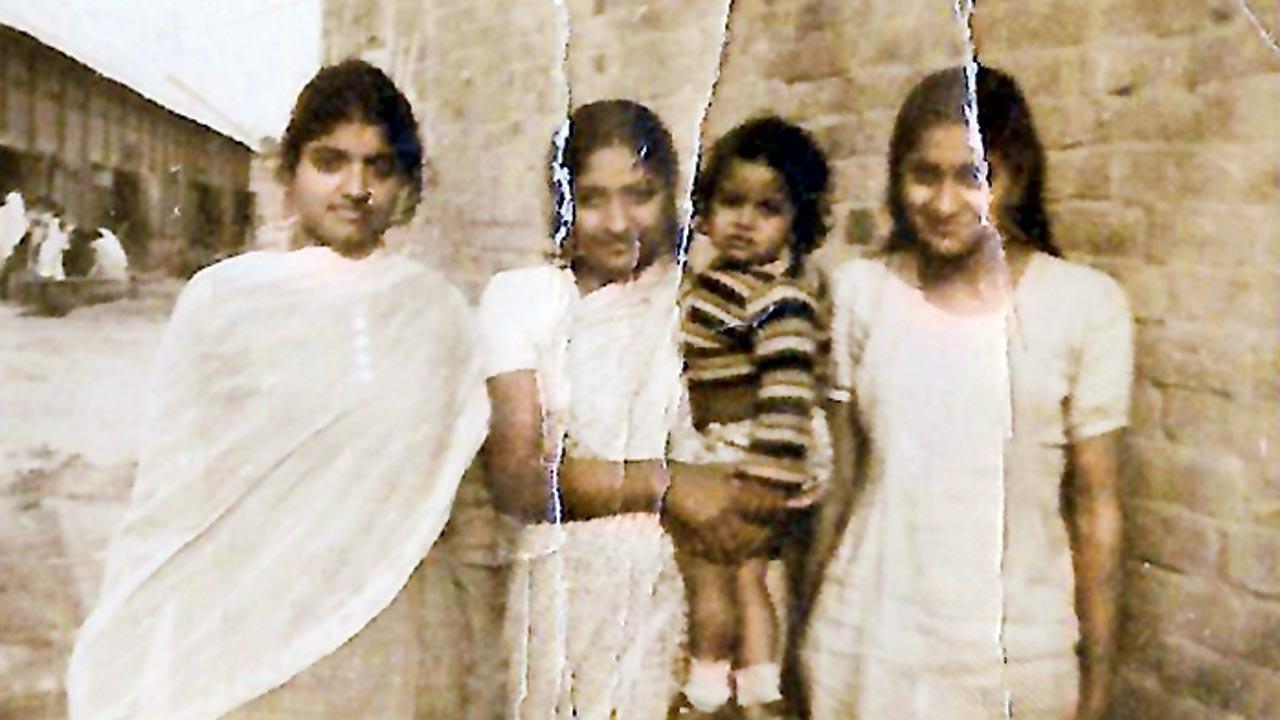
Swaran Lata, Bhag Malhotra née Gulyani, Dharam Gulyani at the Kingsway refugee camp. Pics Courtesy/Aanchal Malhotra
Aanchal Malhotra’s impetus to research the Partition came from a place of not knowing enough. “That’s the easy answer [to this],” she tells us over a video call from Delhi. “Perhaps, a more complicated explanation is why didn’t I know, or why wasn’t I propelled to ask questions about the Partition when I was younger.” Malhotra’s paternal and maternal grandparents’ history can be traced back to what is now Pakistan, and yet, she, for the longest time, felt untouched by their experience. The 32-year-old oral historian ties her own ignorance to a number of factors. “Our education system, for instance... When I was in school, we were not taught the partition of India in a way that it felt like it was personal. It was taught with a lot of distance, and as an appendage to the Indian Independence movement, which in itself felt so removed. Another thing is that my family isn’t very open... we don’t speak about things that mean a lot. I realised that if I don’t know enough, the generation after me will know even less, and this is how history becomes distilled, even distorted.”
That journey led her to write Remnants of a Separation: A History of the Partition through Material Memory (2018), shortlisted for the Sahitya Akademi Yuva Puruskar last year, where she explored the “notion of belonging through belongings”. Her just released 600-page tome, In the Language of Remembering: The Inheritance of Partition (HarperCollins India), goes beyond the material, to record the inherited memory of Partition, not just through those who witnessed and lived through it, but through the imaginings of subsequent generations, who as she puts it, experience “curiosity and confusion as to how it happened, bafflement and shock at the scale of violence and migration... eventually, perhaps sorrow and anger begin to take firm shape as long-term twin reactions”.
Trending Stories
Latest Photos
Latest Videos
Latest Web Stories
ADVERTISEMENT

Ganeshotsav 2026

ADVERTISEMENT