






Home / Sunday-mid-day / / Article /
The women who led
Updated On: 20 June, 2021 09:11 AM IST | Mumbai | Jane Borges
A visual artist and educator’s graphic recollection of last year’s Shaheen Bagh movement, which she says was a sharp critique of state-backed oppression, is worth a read

Listen to this article :
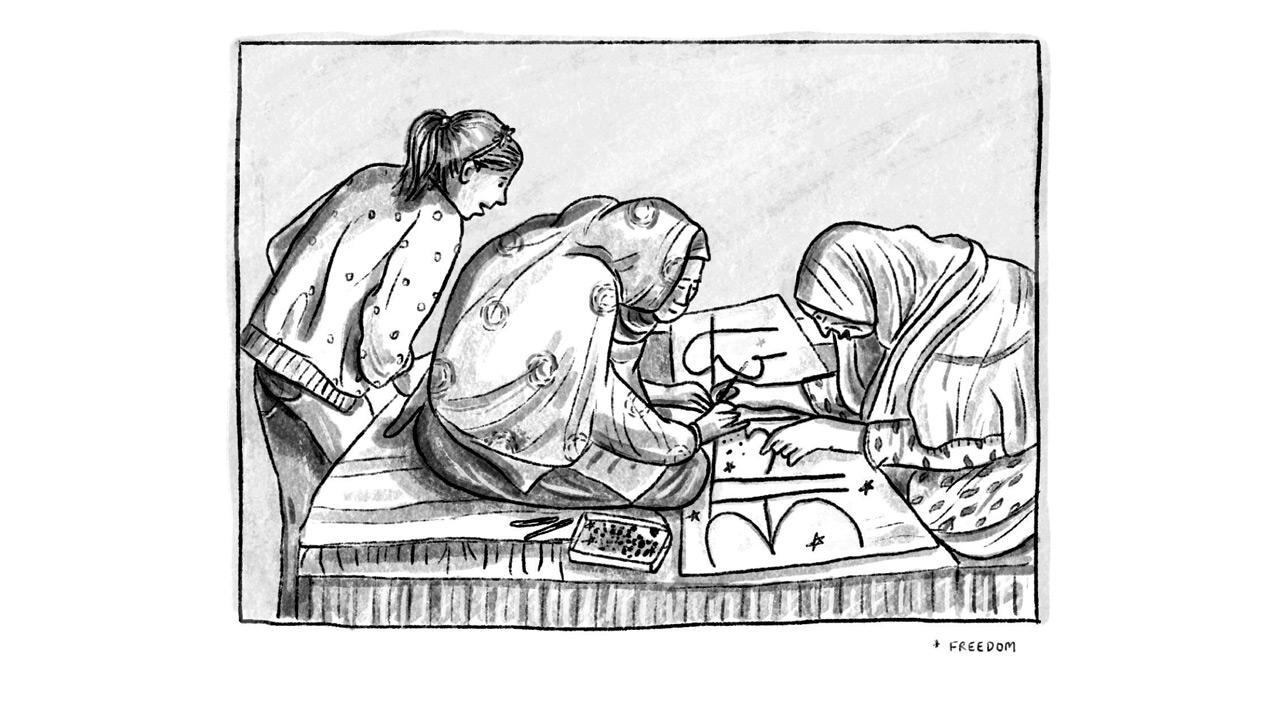
Artist, art researcher and educator Ita Mehrotra feels that “drawing and text together” has the ability to create layered immersive narratives. Pics/ITA MEHROTRA, YODA PRESS
The Shaheen Bagh movement will remain a defining moment in India’s history for more reasons than one. A group of burqa-clad women, often considered reticent and non-participative in public discourse, thronged the Muslim-dominated neighbourhood of Shaheen Bagh in South Delhi for a peaceful sit-in protest on December 15, 2019. They were standing up against the Citizenship (Amendment) Act, 2019, their response prompted by the alleged attack on students at Jamia Millia Islamia by the police. In a matter of weeks, the protest grew into a mass movement with thousands of women joining from far and wide, compelling the world to take notice.

Read Next Story
Trending Stories
Latest Photos
Latest Videos
Latest Web Stories
ADVERTISEMENT
Mid-Day Fast
ADVERTISEMENT

ADVERTISEMENT