Home / Sunday-mid-day / Article /
Watch your language
Updated On: 20 February, 2023 06:02 PM IST | Mumbai | Sucheta Chakraborty
With growing support for the movement to get official language status for Tulu, scholars, politicians and language activists discuss the protection of vulnerable languages and the associated demand for statehood





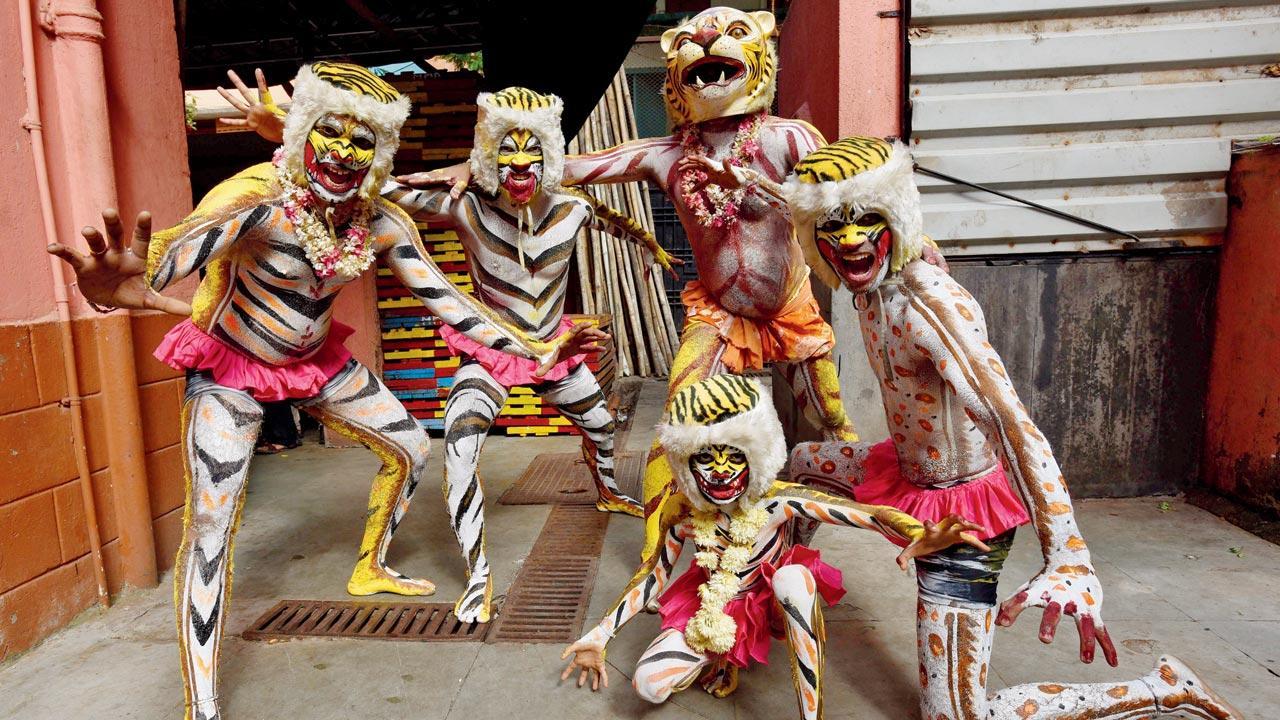
Pic/Getty Images
In recent months, the campaign to get official language status for Tulu has gained momentum on social media. One of the five prominent Dravidian languages—Tamil, Kannada, Malayalam and Telugu being the other four—it is spoken in the Kasaragod district of Kerala, Dakshina Kannada, Udupi, a portion of Shimoga and parts of Chikmagalur and Kadagu (Coorg), the Tulu-speaking population estimated at 60-70 lakh. And yet, it hasn’t been admitted in the 8th Schedule of the Constitution as an official language.
This, however, has not been for the want of trying. Dr Purushothama Bilimale, former professor at the Centre for Indian Languages at Jawaharlal Nehru University traces the long and fraught history of the effort to gain official status. In 1998, Dr Vivek Rai, chairperson of Karnataka Tulu Sahitya Academy, submitted a 220-page proposal for the same to the government of India through the Karnataka government, without any results.
Trending Stories
Latest Photos
Latest Videos
Latest Web Stories
ADVERTISEMENT

Ganeshotsav 2026

ADVERTISEMENT