Home / Sunday-mid-day / Article /
When Jai Hind echoed inside the Taj!
Updated On: 14 August, 2022 09:07 AM IST | Mumbai | Aastha Atray Banan
The city’s foremost luxury hotel was also an important nerve centre, where leaders of the nationalist movement co-scripted India’s freedom story





A public welcome to King George V and Queen Mary in 1911 at Apollo Bunder, in the Taj’s shadow
The Taj Mahal Palace and Tower, which most Mumbaikars refer to as simply, “the Taj”, could easily be one of the most defining landmarks of our city. Overlooking the Arabian Sea, with the Gateway of India right opposite, the two structures have been privy to varied sights and sounds. The parent heritage building, The Taj Mahal Palace, commissioned by Jamsetji Tata in 1903, was also one of the many nerve centres of the Indian independence movement.
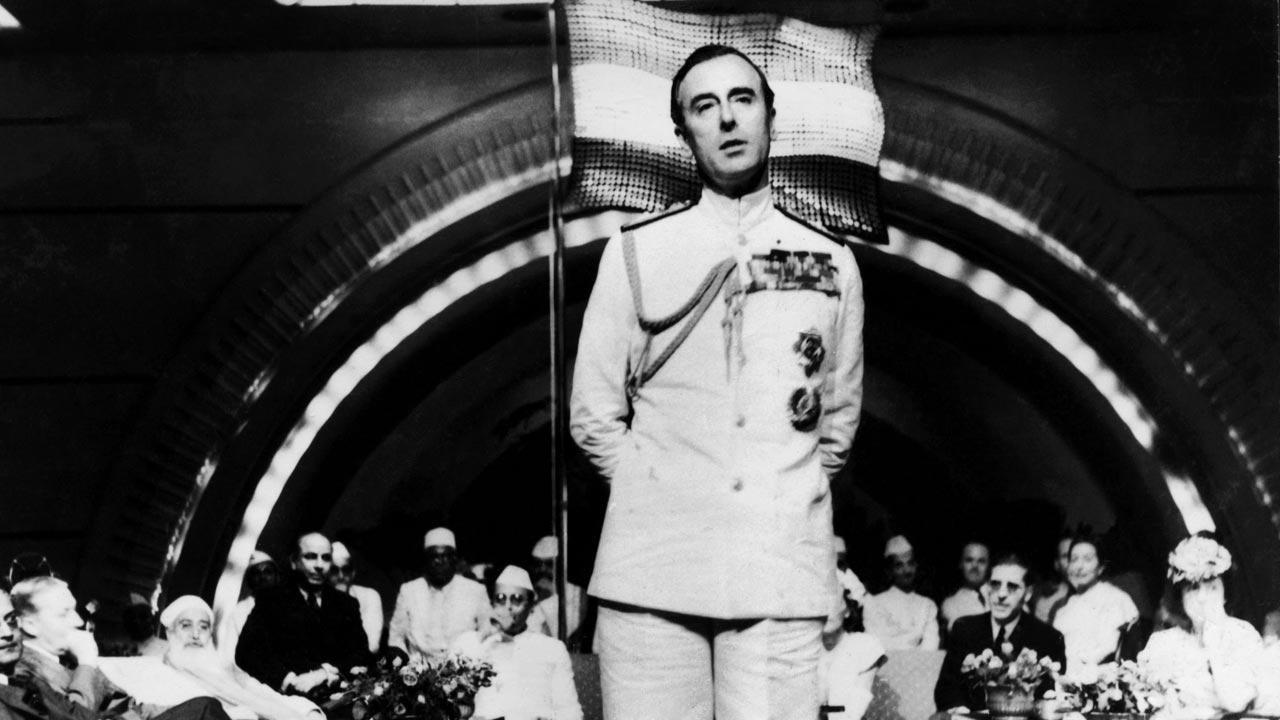
 Lord Louis Mountabatten, Viceroy of Imperial India, speaks at the Taj, two days after India’s Independence in 1947
Trending Stories
Latest Photos
Latest Videos
Latest Web Stories
ADVERTISEMENT
Mid-Day Fast
ADVERTISEMENT