Home / Sunday-mid-day / Article /
When the banished draw and dance
Updated On: 01 August, 2021 09:04 AM IST | Mumbai | Jane Borges
A unique research project is mapping the journeys undertaken by refugee European artists in the 20th century to six metropolitan destinations, including Bombay, where they lived, worked, exhibited and cooperated with local artists





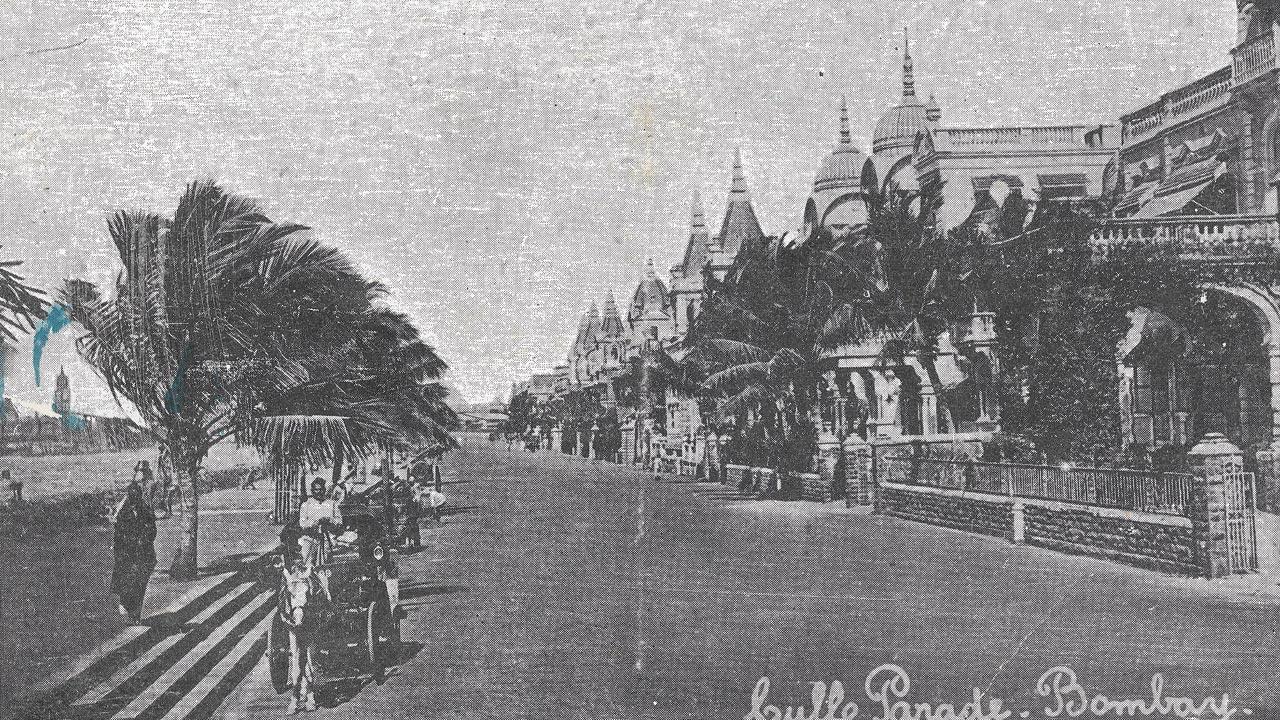
Postcard of Cuffe Parade, which was home to Jassim House, also known as Taraporewala Mansion, the former residence of several key figures of Bombay’s 1940s’ cultural scene. Pic courtesy/Private Collection Rachel Lee
When one discusses Modernism—the philosophical and art movement, which swept the West in the late 19th and early 20th centuries—the names of cities like Vienna, Paris, Berlin and London to some extent, are inadvertently mentioned in the same breath. But, a new research project, Relocating Modernism: Global Metropolises, Modern Art and Exile (METROMOD), which has been in the works for nearly four years, is attempting to tell the history of this movement from a more global perspective.
“We wanted to get away from the notion that modernism was generated in these urban centres, and [instead], see it as a movement that developed through an exchange of ideas in different places, through the migration movements of exiled artists,” shares Rachel Lee, a postdoctoral researcher, who is currently based in Mumbai. Lee is part of a stellar team of researchers, who’ve been mapping the life and work of refugee European artists, between 1900 and 1950, when wars, dictatorships, violence and oppression forced thousands of artists to emigrate.
Trending Stories
Latest Photos
Latest Videos
Latest Web Stories
ADVERTISEMENT

Ganeshotsav 2026

ADVERTISEMENT