






Home / Lifestyle / Health & Fitness / Article /
Pregnancy and Rh incompatibility: what expecting mothers need to know
Updated On: 16 July, 2021 04:48 PM IST | Mumbai | IANS
Pregnant mothers with Rh-negative blood type would require special care if the baby is carrying a Rh-positive blood type. While the condition doesn’t affect the mother’s health, being cautious about the type is important as it can impact the baby

Listen to this article :
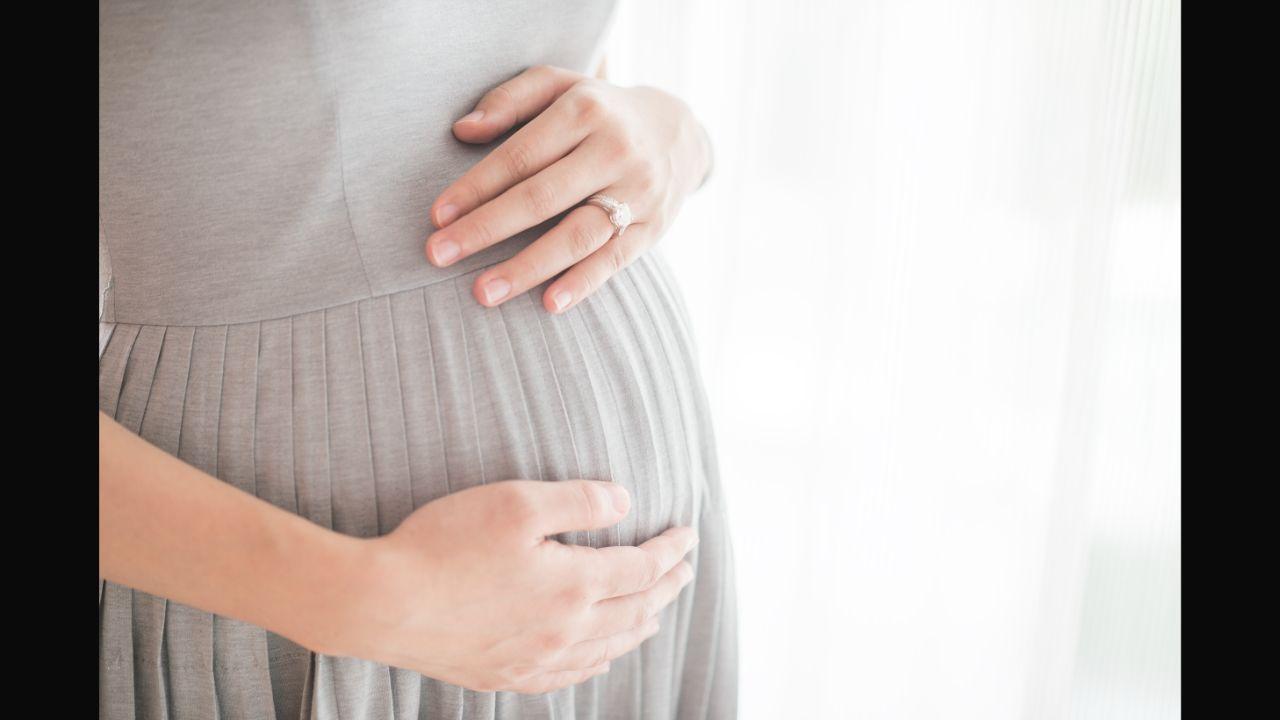
Image for representational purpose only. Photo: istock
The four main blood group types are A, B, AB and O. Determined by the genes in oneself, an individual's blood group is inherited from the parents. Additionally, a protein known as the Rh Factor, is either present as Rh-positive (+) or absent as Rh-negative (-), therefore creating eight common blood group types.
What is the Rh Incompatibility?
The Rh or 'Rhesus' factor, an inherited protein, is found on the surface of the cell membranes of red blood cells. If your blood contains the protein, you are Rh-positive, if it does not, you are Rh-negative. However, having the Rh blood type is a normal condition and does not imply that one has a disease or that it could generally alter your health.
Trending Stories
Latest Photos
Latest Videos
Latest Web Stories
ADVERTISEMENT
Mid-Day Fast
ADVERTISEMENT

ADVERTISEMENT