






The village temple cooperative
Updated On: 29 March, 2020 04:07 AM IST | Mumbai | Devdutt Pattanaik
The idea that the temple was a religious institution, independent of economics and politics, is a very recent one. From a historical point of view, that is simply not true

Listen to this article :
Illustration/Devdutt Pattanaik
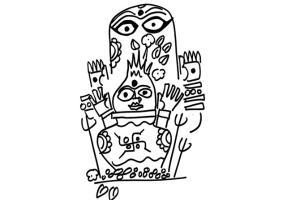
%20(1).jpg "Devdutt Pattanaik") In ancient India, the village fields did not belong to any single person. There was no concept of individual land holdings. The entire land of the village belonged to the village community. Therefore, the village was dedicated to a goddess. She was said to be the owner of the land. It was a kind of a proto-institutional model where everybody worked on the land for the goddess. The harvest then belonged to the goddess and it would be shared among the people who worked in the field.
In ancient India, the village fields did not belong to any single person. There was no concept of individual land holdings. The entire land of the village belonged to the village community. Therefore, the village was dedicated to a goddess. She was said to be the owner of the land. It was a kind of a proto-institutional model where everybody worked on the land for the goddess. The harvest then belonged to the goddess and it would be shared among the people who worked in the field.
Over time, the villages grew prosperous. Technology advanced and systems changed in the village. The old owners of the land started outsourcing the actual labour to peasants. The owners of the land became more powerful. They were seen as having more power than the peasants they outsourced the land to. The village also needed services of potters, carpenters, leather-workers, metal-smiths, rope-makers, goldsmiths, weavers, etc. The system of "balutedars" emerged: the village service-providers were given a share of the crop, in exchange for the services they provided.
Read Next Story
Trending Stories
Latest Photos
Latest Videos
Latest Web Stories
ADVERTISEMENT
Mid-Day Fast
ADVERTISEMENT

ADVERTISEMENT