






To see or not to see
Updated On: 29 August, 2021 07:09 AM IST | Mumbai | Paromita Vohra
Education can be a training in how to see the world in all its complicatedness. But it can also be a training in how not to see

Listen to this article :
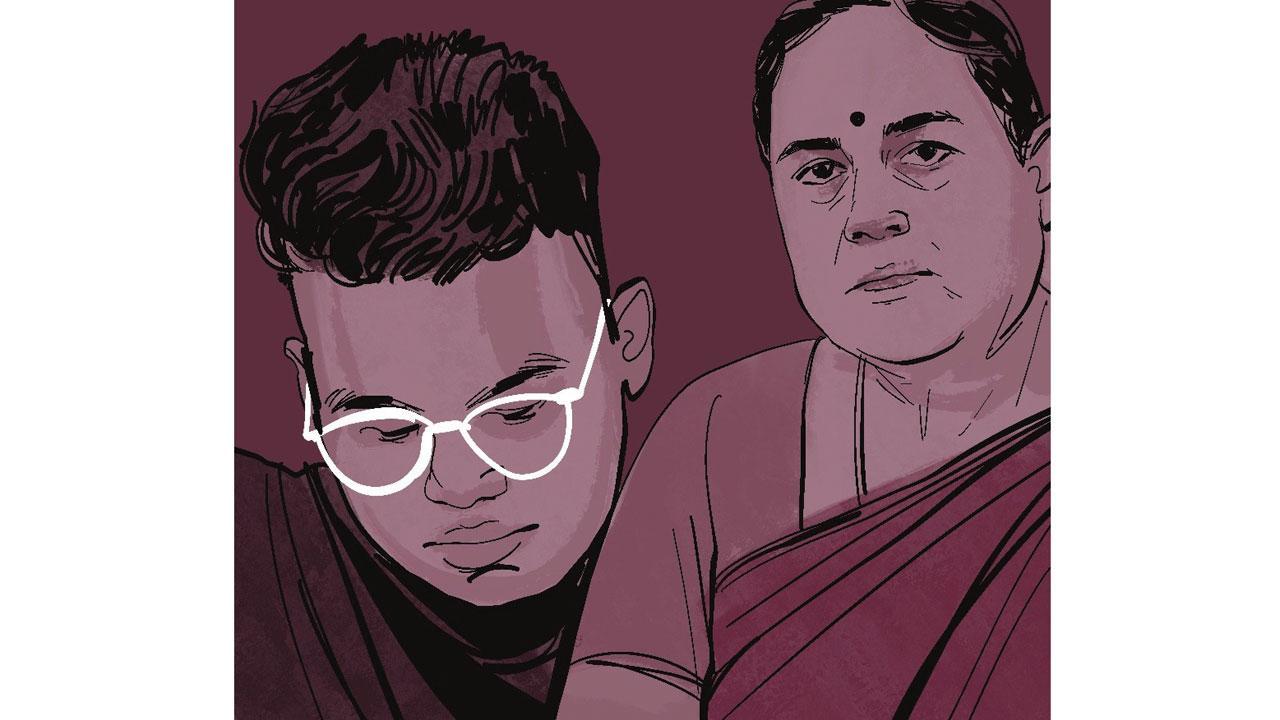
Illustration/Uday Mohite
 I love a double meaning. Like a fortune cookie, it contains within, a truth about power. Take the word ‘oversight’. It can mean mistake—something overlooked. Or more pedantically, the business of overseeing something. The two meanings tangoed hard last week when the Oversight Committee of Delhi University decided to remove Mahashweta Devi’s “Draupadi” (about the custodial gang rape of a Santhali woman accused of being a Naxalite) as well as books by the Dalit writers Bama and Sukirtharani.
When questioned about this clear anti-Bahujan bias, the OC Chairperson MK Pandit said, “I don’t believe in casteism. I don’t look at Indians as belonging to different castes.” As Shakespeare almost said, to see or not to see caste, that is the question. What kind of privilege does it take to imagine that the world will conform to your vision of it—yaniki what you see is what we get? Could there be an answer in those dropped texts, about reality as seen by un-privileged people? To see the world as per your beliefs, you have to erase inconvenient realities from sight—and avoid caste census of course. As Abhishek Annica’s (follow on Instagram) poem Census goes: I do not want to live/ on the margins all the time/ the men who draw maps/know how to use an eraser.
Read Next Story
Trending Stories
Latest Photos
Latest Videos
Latest Web Stories
ADVERTISEMENT
Mid-Day Fast
ADVERTISEMENT

ADVERTISEMENT