United Nations
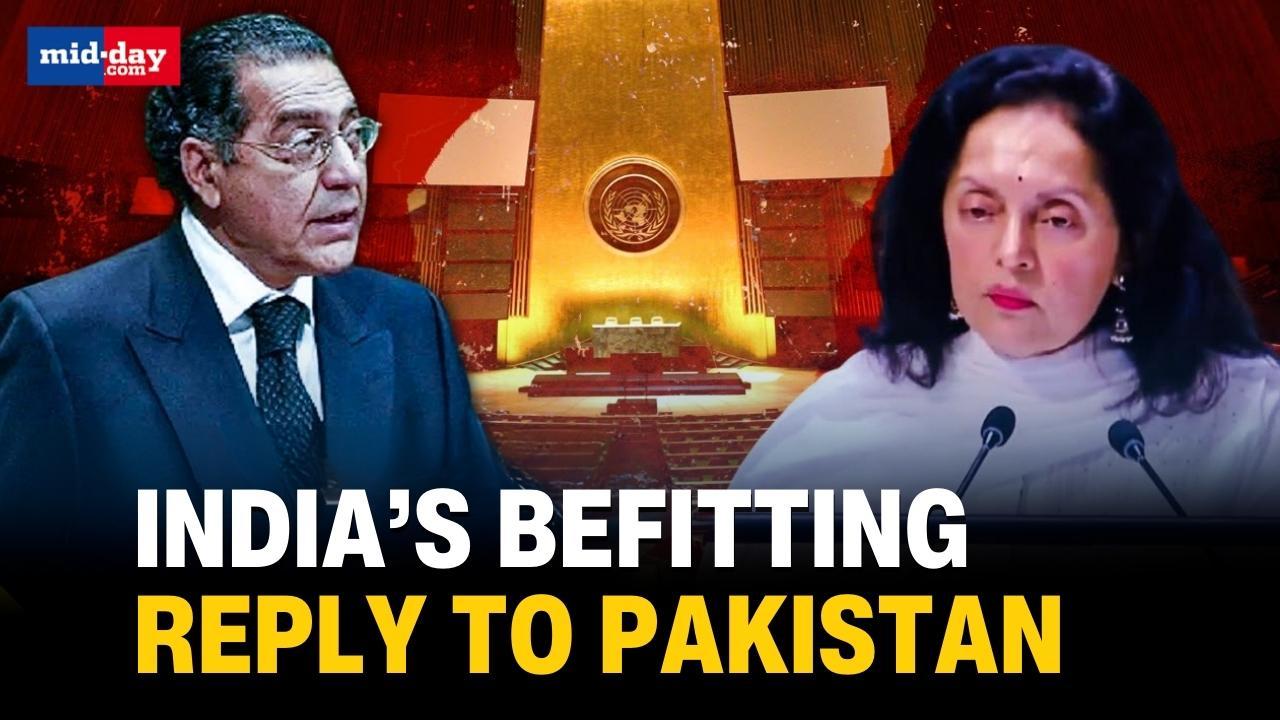
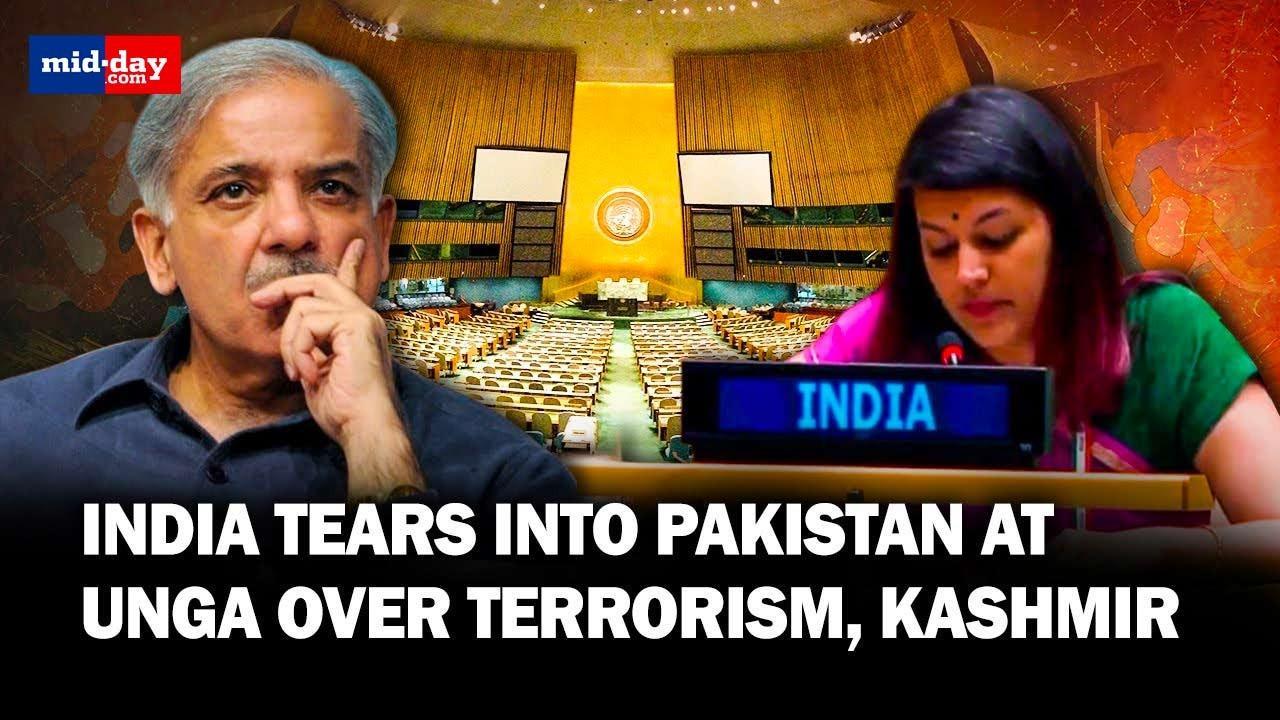
India’s Ambassador to the UN, Ruchira Kamboj gave a befitting reply to her Pakistani counterpart in UNGA, without taking the country’s name. During a discussion, while delivering his speech, Pakistan’s Permanent Representative to the UN, Munir Akram said, “Unless Hindutva fascism is opposed, unless the sense of impunity of the BJP, RSS is ended, unless the Indian Muslims are protected against genocide, and unless the Kashmir dispute is peacefully solved, wider violence and conflict in South Asia is a real and present danger.” Without taking country’s name, Ruchira said, “In this assembly, as we endeavour to cultivate the culture of peace amid these challenging times, our focus remains steadfast on constructive dialogue. We thus choose to set aside remarks from a certain delegation which not only lack decorum, but also detract from our collective efforts due to their destructive and punishious nature. We would strongly encourage that delegation to align with the central principles of respect and diplomacy, that must always guide our discussions. Or is that too much to ask of a country that harbours the most dubious track record on all aspects in itself.”
Updated 2 years ago
Israel has put in a request with the UN Security Council to immediately convene a meeting to unequivocally condemn Iran. Soon after Israeli missiles hit the Iranian consulate in Syria, Iran vowed revenge on Israel. The attack claimed the lives of Iran’s top three Military Generals which added ‘fuel to the fire’ in the war in the Middle East. In a retaliatory move, Iran struck hundreds of UAVs, cruise missiles and ballistic missiles on Israeli soil. Israeli Envoy to UN Gilad Erdan demanded Iran’s Islamic Revolutionary Guard Corps (IRGP) to be designated as a “Terrorist Organisation”. Israel said that Iran poses a direct threat to international peace and violated the UN Charter. Meanwhile, Israeli PM Netanyahu on April 13 said that the country has prepared for an attack by Iran and is ready “for any scenario”.
Updated 2 years ago
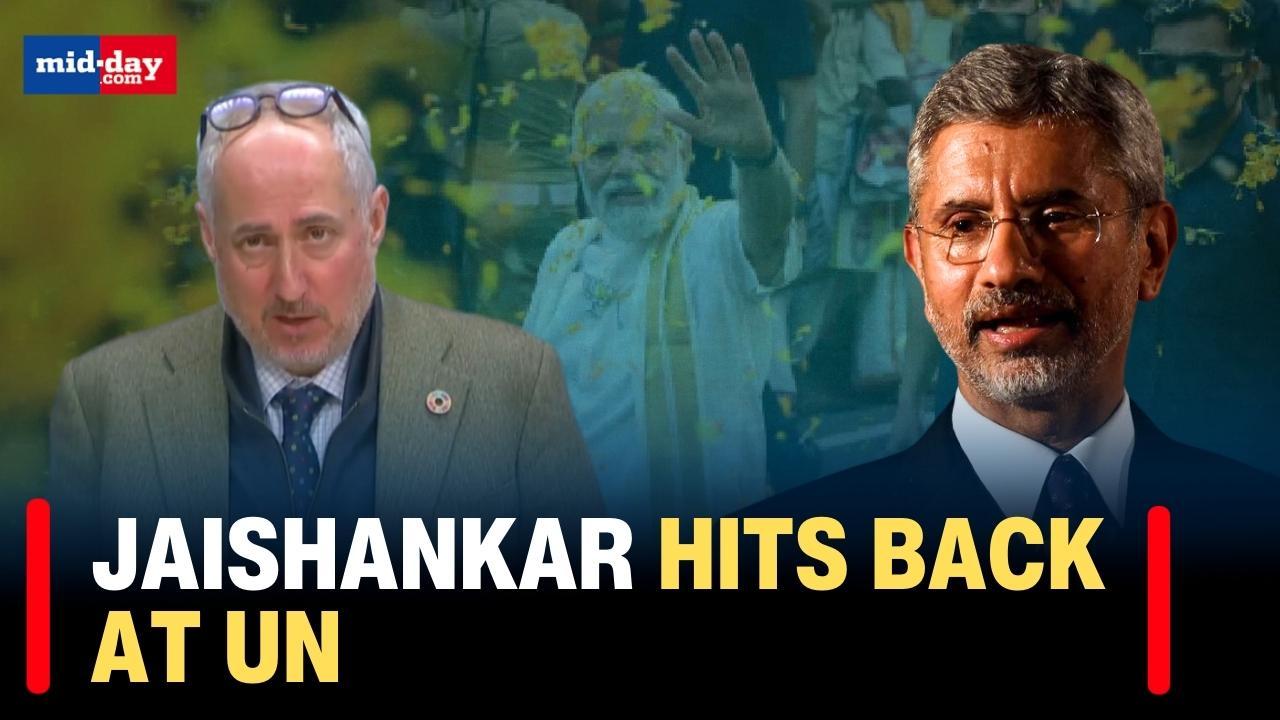
Watch EAM S Jaishankar’s strong reply to United Nations
Updated 2 years ago
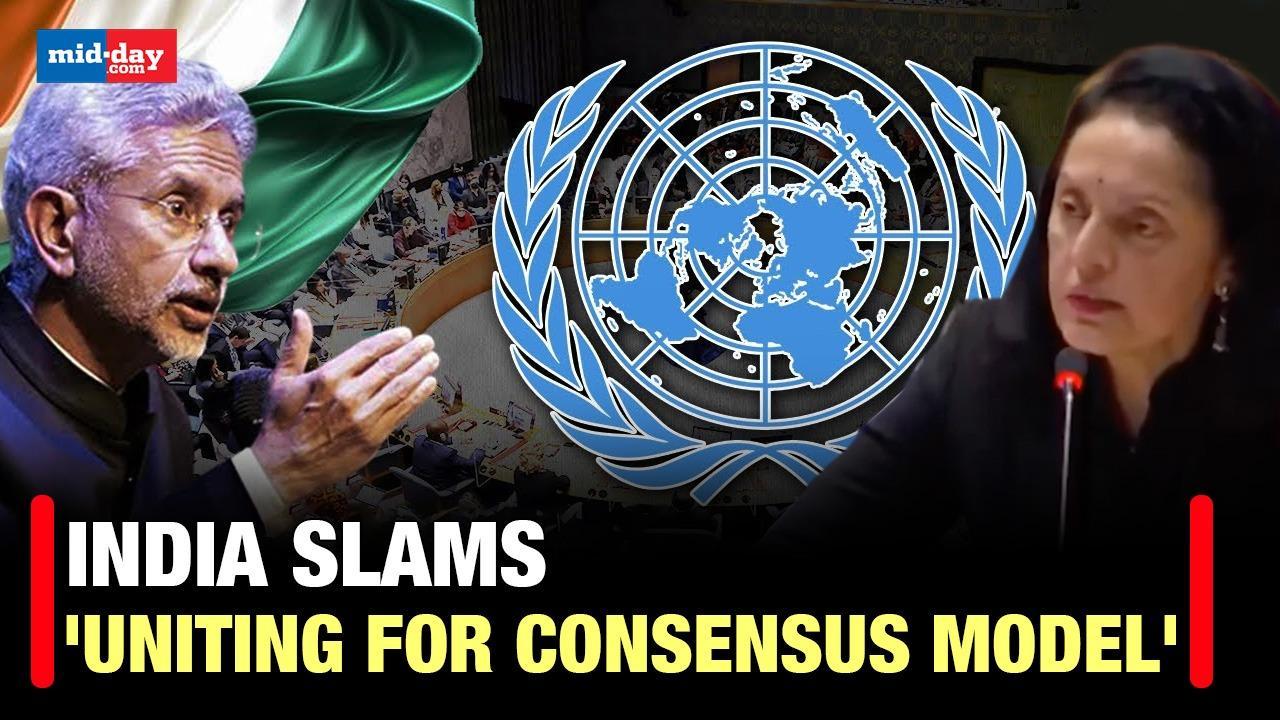
India slams 'United For Consensus Model"
Updated 2 years ago
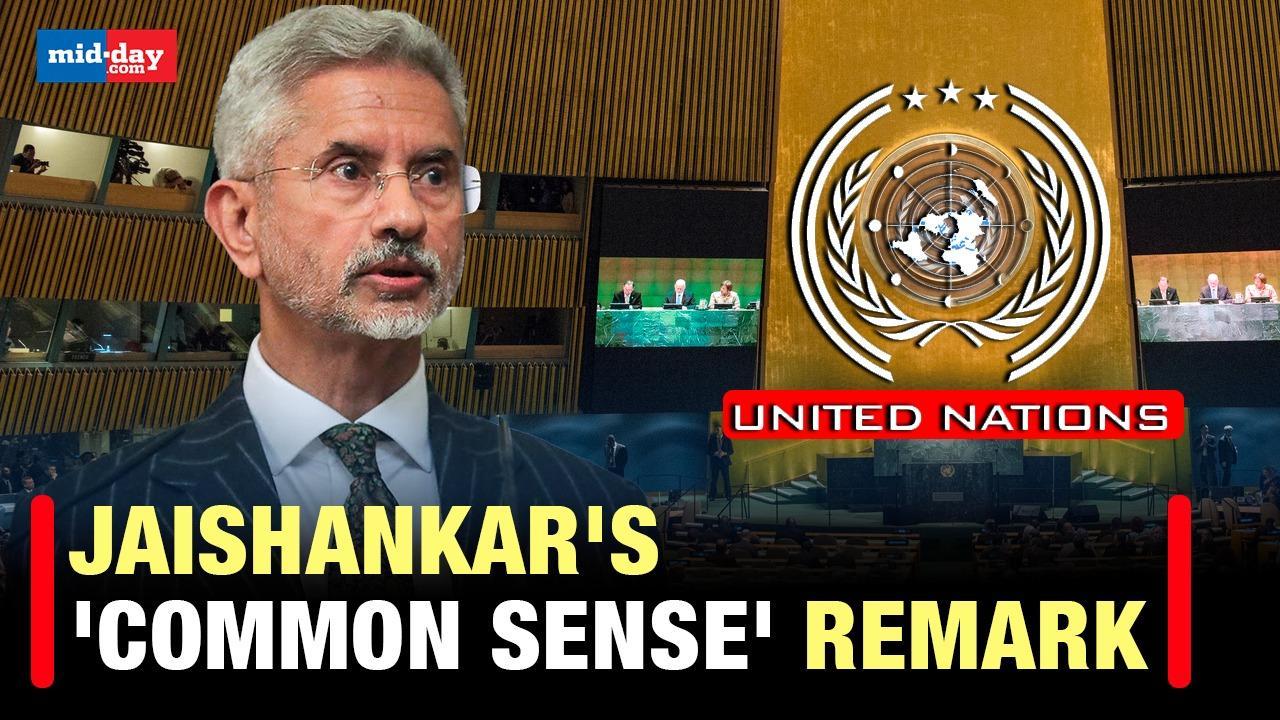
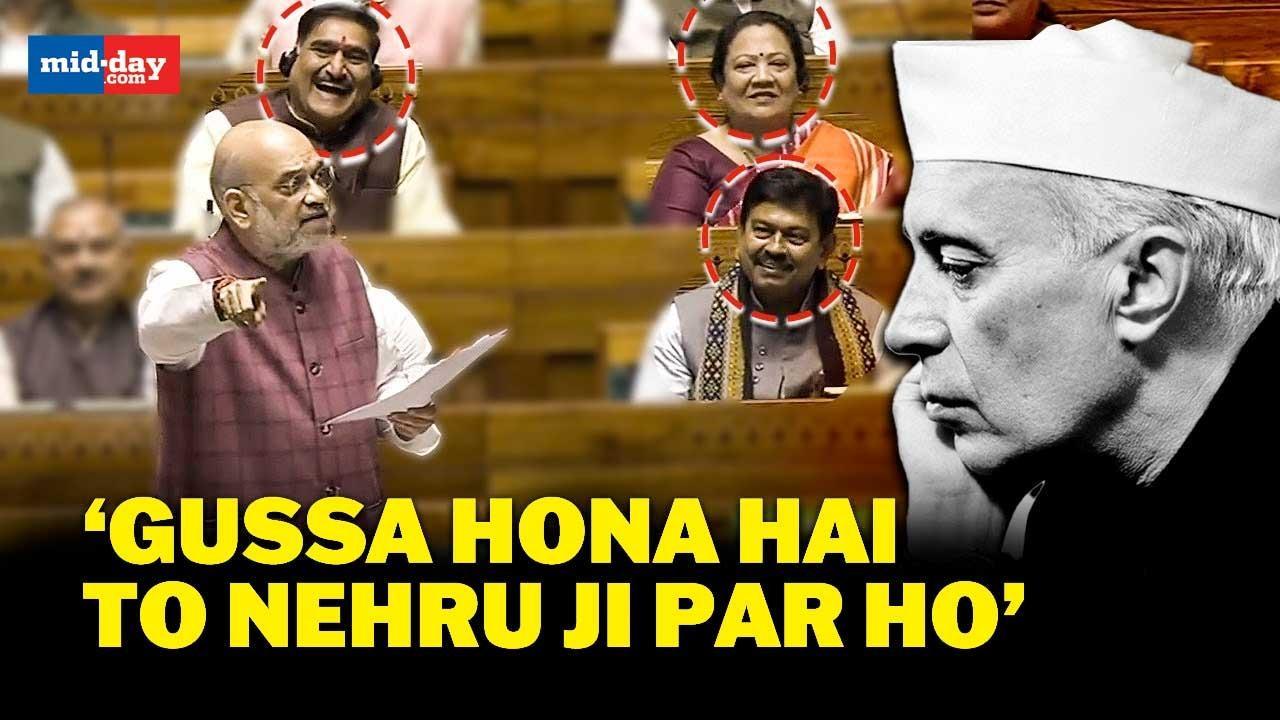
Kashmir issue: “Gussa hona hai to Nehru ji par ho…”Amit Shah takes aim
Updated 2 years ago
ADVERTISEMENT
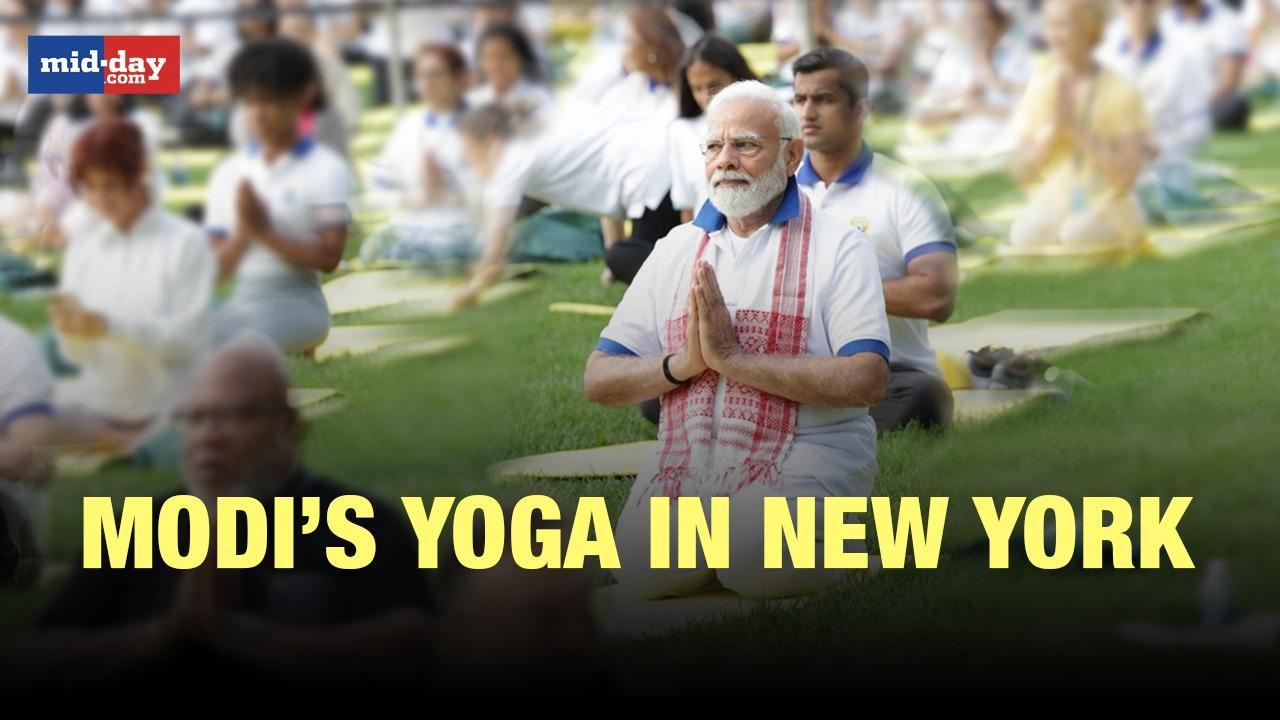
International Yoga Day 2023: PM Modi leads global celebration of Yoga in US
Updated 3 years ago
World Environment Day 2023: This Mumbai home is a calming nature retreat
Updated 3 years ago

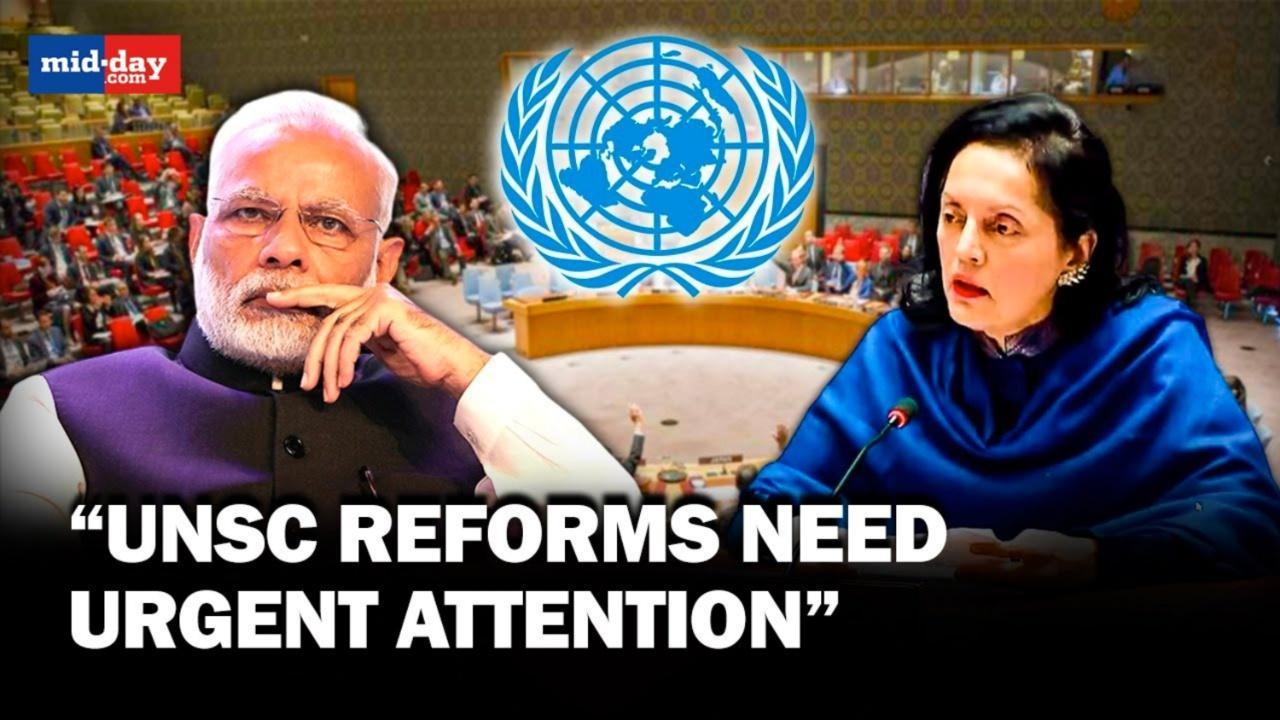
India reiterates its stand for inclusive reforms at UNSC for global peace
Updated 3 years ago
ADVERTISEMENT