






Home / Sunday-mid-day / / Article /
Driving equality, hammer and tongs
Updated On: 14 February, 2021 08:55 AM IST | Mumbai | Anju Maskeri
IKEA India is being lauded for its gender-inclusive approach. Here is how any firm can translate the idea into action

Listen to this article :
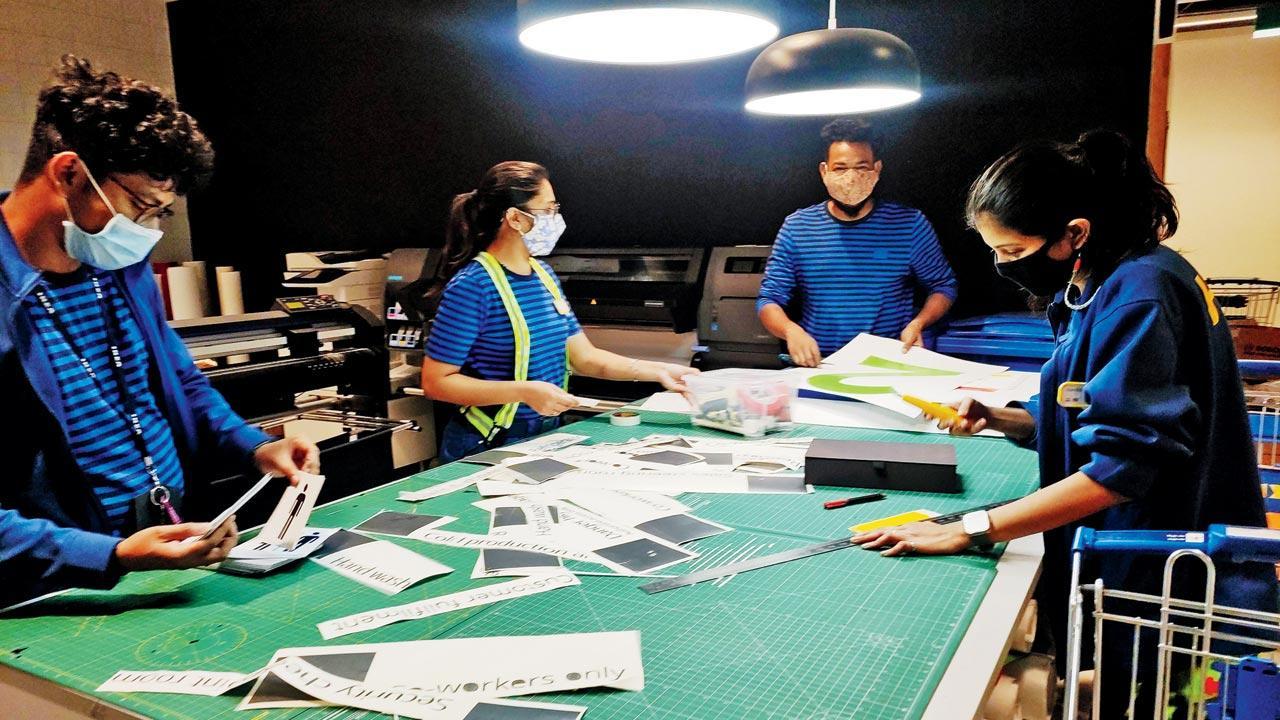
The IKEA store at Navi Mumbai has a 50:50 gender representation, including in traditionally male-dominated departments such as storage, recovery and logistics
Swedish furniture giant IKEA might be known for democratising the Scandinavian aesthetic and selling durable furniture at affordable prices, but there’s more to the brand than what meets the shopper’s gaze. Last December, IKEA India (Ingka Group) won the UN Women’s top prize in the Gender-Inclusive Workplace category at the inaugural Asia-Pacific Women’s Empowerment Principles (WEPs) Awards ceremony in Bangkok. The awards recognise innovations in the private sector that promote gender equality through a multidimensional approach.
So, how did IKEA make it happen? Parineeta Cecil Lakra, Country People and Culture Manager at IKEA India, says when they were entering India in 2013, they realised that unlike many markets where gender did not factor naturally as a consideration for them, here, it was a whole different story. “Women’s participation at the workplace was at best 24 to 26 per cent, which I’d say is still a higher estimate. It dips when you go north and it’s higher in the south and the west, especially Mumbai. We also looked at the gender equality index and India did not rank highly.” After thorough research, they found out there were many reasons behind this, including marriages, responsibility of household care, scarcity of jobs, absence of child and family support. Lakra says the situation presented itself as an opportunity to create a better every day life for the people at the heart of the organisation. To build a gender-balanced workplace, they decided to keep a 50:50 target. “A senior lawyer who heard this at that point, told us that if we manage to achieve this in India, it’d be a miracle. Today, we are close to achieving that.” Currently, they have an overall 45 per cent representation of women.
Read Next Story
Trending Stories
Latest Photos
Latest Videos
Latest Web Stories
ADVERTISEMENT
Mid-Day Fast
ADVERTISEMENT

ADVERTISEMENT