






Home / Sunday-mid-day / / Article /
From Shakespeare to Jane Austen: Here's what India's Gen-Z think about classics
Updated On: 09 March, 2025 11:05 AM IST | Mumbai | Spandana Bhura
Does Shakespeare impress the younglings looking for intrigue and drama? Is Elizabeth Bennett still a female role model? The students of English Literature have totally different takes on the iconic texts we grew up with

Listen to this article :
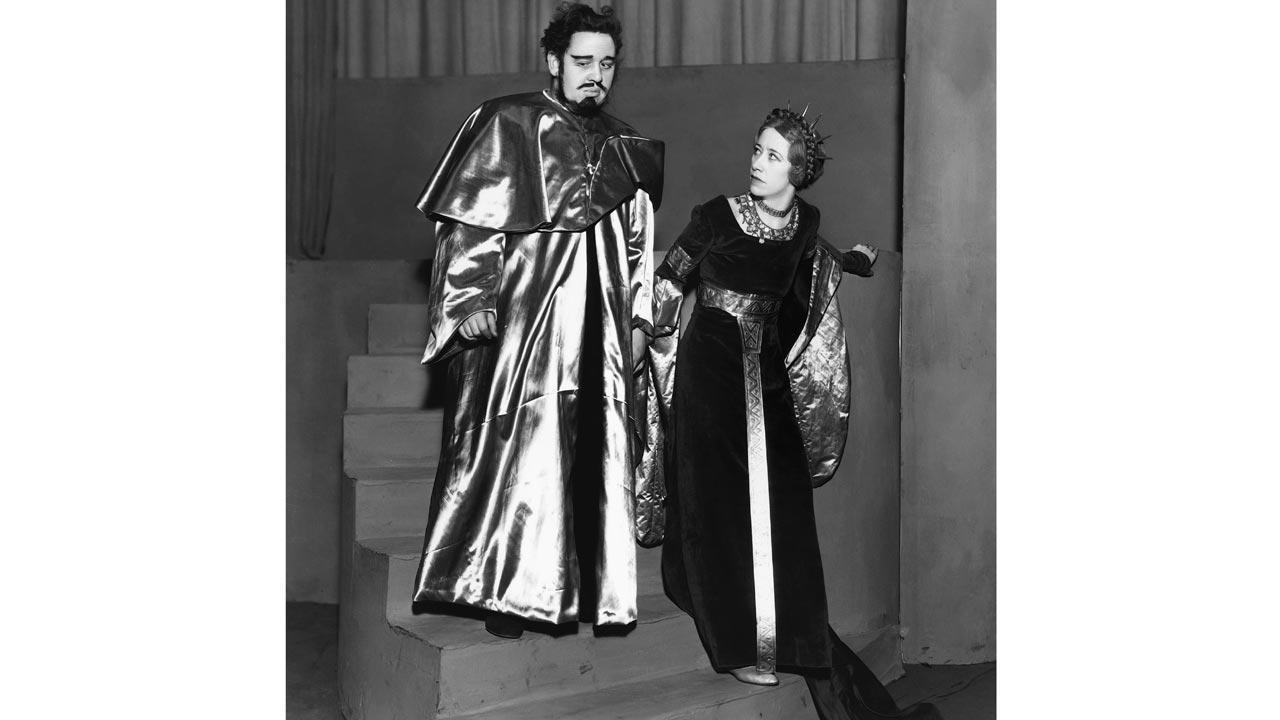
Saha notes that Shakespeare altered historical figures to appeal to those in power. Pic/Getty Images
‘Shakespeare’s Macbeth is not original’
William Shakespeare’s Macbeth is a tragedy that explores ambition and the corrupting influence of power. Written in the early 1600s, the play follows the rise and fall of Macbeth, a Scottish nobleman and antihero, whose thirst for power ultimately leads him to his
own destruction.
“Macbeth, like most of Shakespeare’s works, is not entirely original,” notes Ananya Saha, a third year English Honours student at the Maulana Azad University, Kolkata. “He took inspiration from The Chronicles of Scotland by Raphael Holinshed, written in 1577, and combined it with historical events—particularly the killing of King Duncan I of Scotland, who was slain in battle by Macbeth’s troops in 1040.” She extends the analogy and adds that this blending of fact and fiction highlights a pattern of historical manipulation. “The way Macbeth’s story was reshaped reminds me of modern populist leaders, who adjust narratives to suit their agenda rather than prioritising truth and human rights.” Saha adds, “Banquo is portrayed in Macbeth as a virtuous and noble character. But history suggests otherwise. Why, then, did Shakespeare rewrite him as a the pinnacle of morality? Because King James I was on the throne at the time, and Banquo was believed to be his ancestor. Shakespeare couldn’t afford to depict him negatively.”
Trending Stories
Latest Photos
Latest Videos
Latest Web Stories
ADVERTISEMENT
Mid-Day Fast
ADVERTISEMENT

ADVERTISEMENT