Home / Sunday-mid-day / Article /
If time were a place
Updated On: 09 February, 2020 12:00 AM IST | | Gitanjali Chandrasekharan | Gitanjali Chandrasekharan
... tiles would be its landmarks. As an exhibition in the city ponders the memories of Mumbai-s floors, we find an excuse to focus on the different histories presented by colonial and economic interests






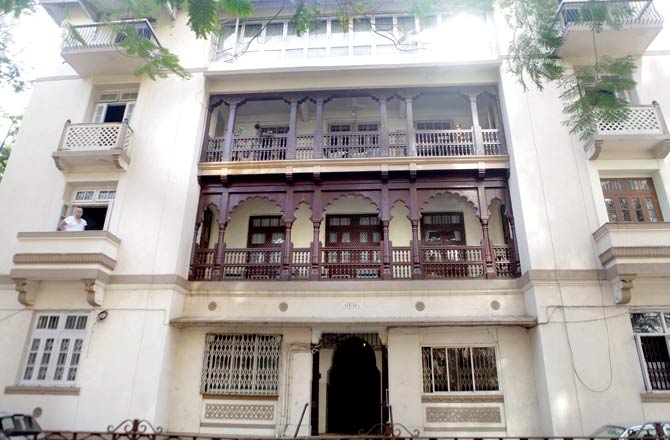
Ahura Building on Mancherji Joshi Road, Dadar Parsi Colony, was built in the 1920s. The second floor home of Mahrokh Joshi has two tile patterns. While the hall sports cement tiles of the Minton pattern, the balcony and an inner bedroom have cement tiles
Sitting in the living room of her Peddar Road home Marlboro House, Pushpa Palat says the only time they gave the tiles of their apartment, one of seven in the 1938-built building, a deep clean was when they purchased it in 1998. Since then, they have only washed them with water. No floor cleaners. "If there-s a stain, you scrub it and over time, it will go. But, I had been warned early on not to apply any chemicals to the flooring," says Palat, author and journalist. You-d think that the tiles then would reflect the wear and tear. The house after all, as Palat insists, is child- and dog-friendly. Yet, the only thing that the tiles reflect is the abundant sunlight from the large windows.
Trending Stories
Latest Photos
Latest Videos
Latest Web Stories
ADVERTISEMENT
Mid-Day Fast
ADVERTISEMENT